Natural Skincare Solutions

Educational exploration of botanical ingredients in skincare, focusing on skin health maintenance and natural protection.

Understanding Skin Health

Healthy skin reflects overall wellness and requires consistent care rooted in understanding basic skin biology. The skin serves protective, sensory, and thermoregulatory functions, requiring support through appropriate care practices and protective ingredients.

Natural skincare approaches emphasize supporting skin's inherent health rather than pursuing dramatic transformation or cosmetic outcomes. This foundation-focused methodology prioritizes maintenance, protection, and sustainable practices over intensive interventions.

Botanical Skincare Ingredients

Plant-derived skincare components offer diverse properties supporting skin health through natural mechanisms:

  • Moisturizing Botanicals: Plant oils and extracts that support skin hydration and barrier function.
  • Antioxidant Herbs: Botanical sources containing compounds that support cellular health and protect against oxidative stress.
  • Soothing Extracts: Calming plant ingredients that support skin comfort and natural resilience.
  • Cleansing Botanicals: Natural ingredients that gently support skin cleansing without harsh effects.
  • Protective Compounds: Plant-derived ingredients supporting skin's natural protective mechanisms.
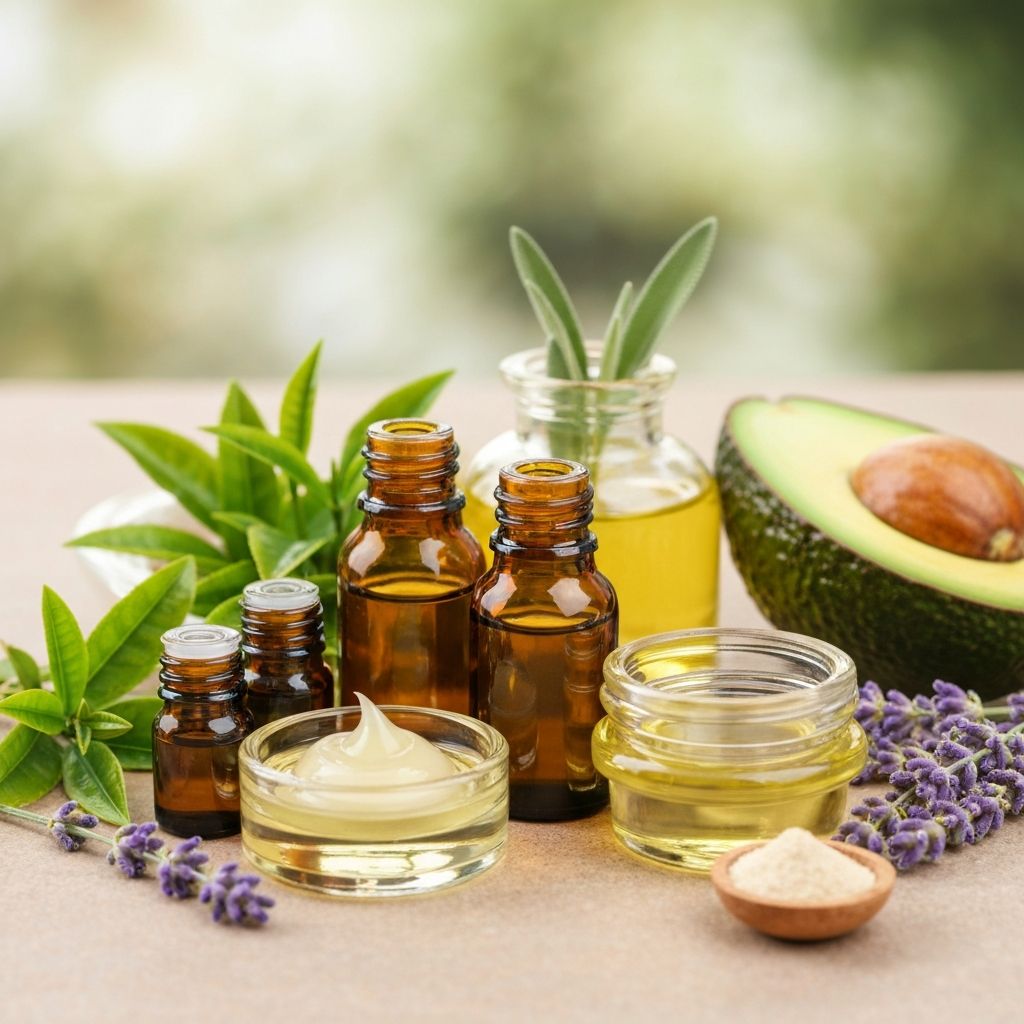
Natural skincare

Common Natural Skincare Ingredients

Aloe Vera

A succulent plant with gel that supports skin hydration and soothing. Traditionally used across cultures for general skin care and comfort.

Jojoba Oil

Plant oil structurally similar to skin sebum, supporting natural hydration and compatibility. Valued in natural skincare for gentle moisturizing properties.

Green Tea

Rich in polyphenols, used in skincare for antioxidant support. Incorporated into cleansers, toners, and moisturizers for skin health maintenance.

Chamomile

Herbal extract traditionally used for skin soothing and comfort. Valued in natural formulations for its gentle, calming properties.

Rosehip Oil

Plant oil containing vitamins and fatty acids supporting skin health. Used in natural skincare for hydration and maintenance of healthy appearance.

Tea Tree Oil

Essential oil traditionally used for cleansing support. Incorporated in natural skincare for its properties in maintaining clear, healthy-looking skin.

Decoding Skincare Labels

Understanding ingredient lists empowers informed skincare choices. Labels list ingredients in descending order of concentration, helping identify primary components and potential sensitivities.

Key terms like "botanical extract," "essential oil," and "plant-derived" indicate natural sourcing. Certifications such as "cruelty-free," "organic," or "natural" provide additional information about product values and production practices.

Healthy skin

Skincare Routine for Men

Step Purpose Natural Ingredient Examples
Cleansing Remove daily buildup while maintaining skin balance Aloe vera, chamomile, green tea
Hydration Support skin moisture barrier and hydration Jojoba oil, rosehip oil, aloe vera
Nourishment Provide antioxidants and skin-supporting compounds Green tea, plant oils, herbal extracts
Protection Support skin protection from environmental factors Antioxidant-rich botanicals, plant oils
Specialized Care Address specific skin conditions or concerns Tea tree, chamomile, calendula

Integrating Natural Skincare

Effective natural skincare combines appropriate ingredients with consistent routine and lifestyle support. Simple routines followed consistently outperform complex regimens used sporadically.

Natural skincare emphasizes quality over quantity—selecting well-formulated, effective products and using them consistently. Combined with adequate sleep, hydration, nutrition, and sun protection, natural skincare supports healthy, resilient skin appearance.

Wellness lifestyle

Disclaimer: All materials on this site are for informational purposes only. This content does not constitute medical advice, diagnosis, or treatment recommendations. Consult qualified professionals for personalized health decisions. This educational resource explains general wellness concepts without promising specific outcomes or replacing professional medical guidance.